

Basement Mold Removal in Overland Park, KS
Overland Park's humid continental climate creates year-round moisture conditions that make basements particularly susceptible to mold growth, especially in established neighborhoods like Nall Hills and Deer Creek where older homes are prone to water intrusion. Basement Mold Removal requires prompt action to protect your property's structural integrity and your home's air quality. Irby Mold Remediation connects you with independent local providers who can assess the extent of mold growth and execute thorough removal, giving you confidence that the problem is addressed properly.
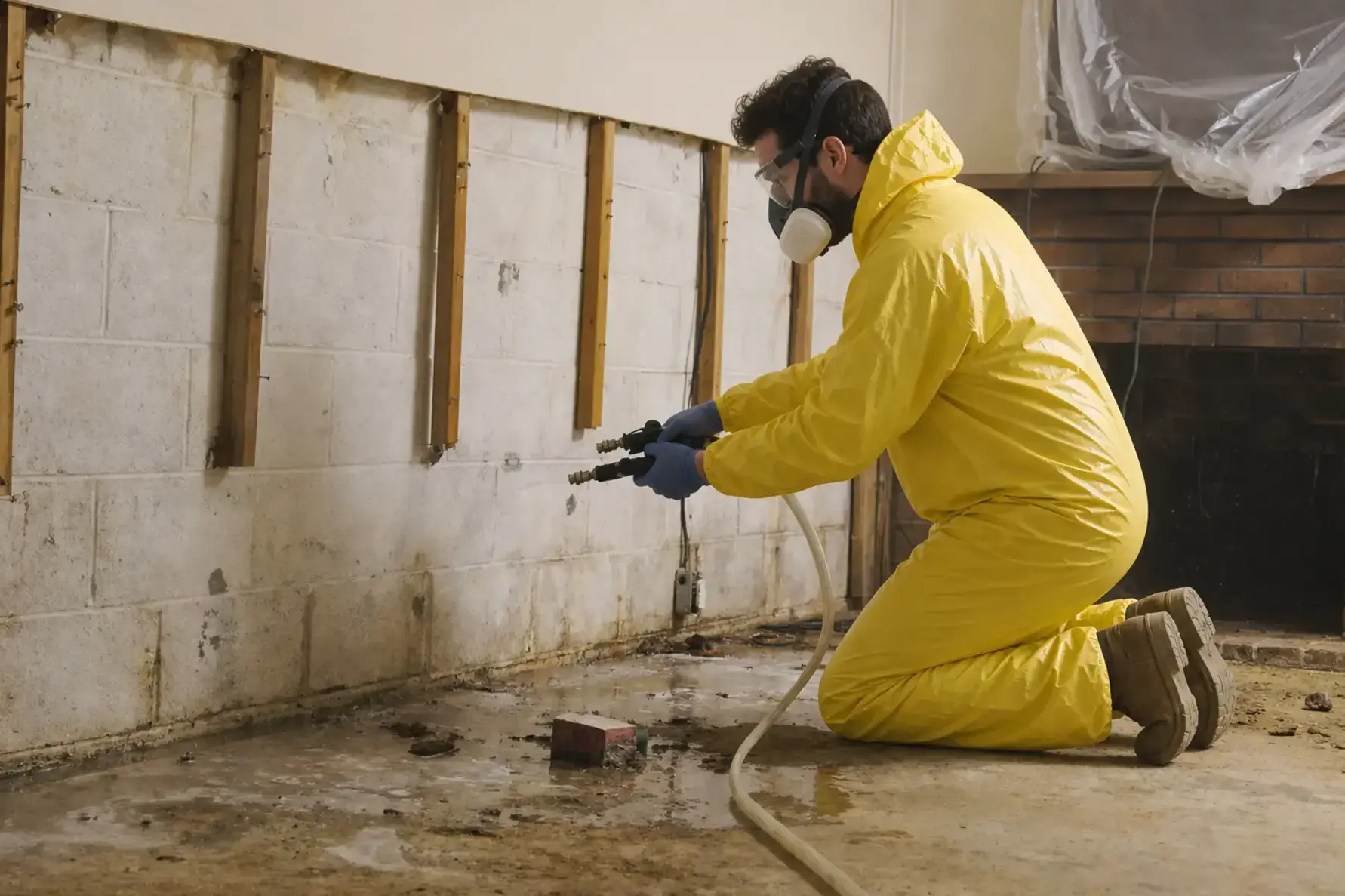
What gets cleaned in a basement, and what comes out
Whether a material is cleaned in place or removed is not decided by how bad the mold looks. It is decided by what the material is made of and how large the affected area is. Below is the EPA’s published guidance on both counts, for a basement.
| Material | Under 10 sq ftabout a cabinet door, or one ceiling tile | 10 to 100 sq ftroughly one wall, or a small bathroom | Over 100 sq ftmore than one room's worth of surface |
|---|---|---|---|
| Concrete or cinder blockpoured or block foundation walls and the slabEPA, Table 2 | Wet vacuumHEPA vacuum | Wet vacuumHEPA vacuum | Wet vacuumHEPA vacuum |
| Wallboardfinished walls and any framed partitionsEPA, Table 2 | HEPA vacuum | HEPA vacuumRemove and discard | HEPA vacuumRemove and discard |
| Wood surfacesframing, stair stringers and stored timberEPA, Table 2 | Wet vacuumDamp wipeHEPA vacuum | Wet vacuumDamp wipeHEPA vacuum | Wet vacuumDamp wipeHEPA vacuumRemove and discard |
| Carpet and backingcarpet and pad in a finished basementEPA, Table 2 | Wet vacuumHEPA vacuum | Wet vacuumHEPA vacuumRemove and discard | Wet vacuumHEPA vacuumRemove and discard |
| Books and papersstored books, documents and cardboardEPA, Table 2 | HEPA vacuum | HEPA vacuum | HEPA vacuum |
What those methods mean, in EPA's words
- Wet vacuum
Wet vacuums are vacuum cleaners designed to collect water. They can be used to remove water from floors, carpets and hard surfaces where water has accumulated.
EPA, cleanup methods- Damp wipe
Mold can generally be removed from nonporous (hard) surfaces by wiping or scrubbing with water, or water and detergent.
EPA, cleanup methods- HEPA vacuum
HEPA (High-Efficiency Particulate Air) vacuums are recommended for final cleanup of remediation areas after materials have been thoroughly dried and contaminated materials removed.
EPA, cleanup methods- Remove and discard
Building materials and furnishings that are contaminated with mold growth and are not salvageable should be double-bagged using 6-mil polyethylene sheeting.
EPA, cleanup methods
These guidelines are for damage caused by clean water. If you know or suspect that the water source is contaminated with sewage, or chemical or biological pollutants, then Personal Protective Equipment and containment are required by OSHA.
EPA, Table 1Porous materials that are wet and have mold growing on them may have to be discarded.
EPA, cleanup methodsMold can grow on wood, drywall, carpet and furniture if they remain wet for more than 24 hours.
EPA, flood cleanup
Below-grade walls can pass moisture continuously without ever showing a leak, which is why basement mold often returns after a surface-only cleaning. Concrete and block are the forgiving part — EPA never lists them for removal at any size. The expensive part is whatever was finished or stored against them.
Johnson County carries flood events in 27 different years on the National Weather Service record, the latest in 2025 — which is a long history of water arriving somewhere it had to be dried out of.Source: NOAA Storm Events Database, Johnson County (1996-2026; Flood, Flash Flood and Coastal Flood events)
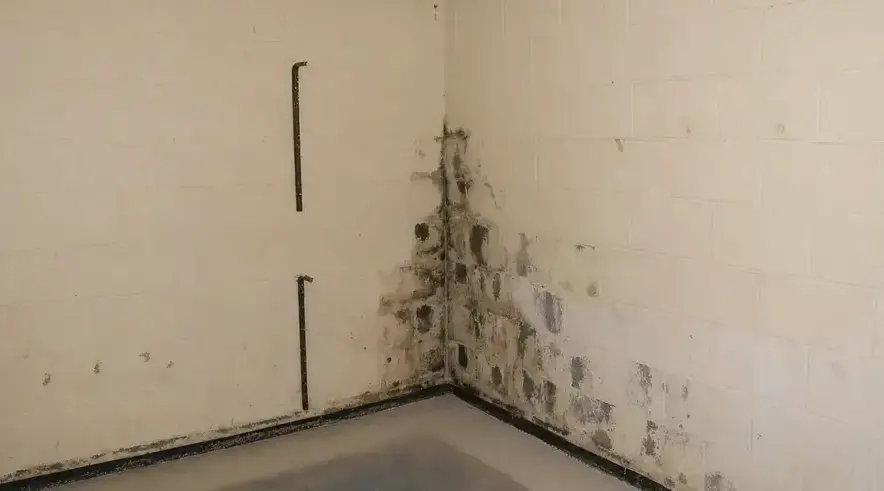
Basement Mold Removal for Overland Park Homes
Overland Park's humid continental climate brings persistent moisture throughout the year, creating ideal conditions for mold growth in below-grade spaces. Basements are especially vulnerable because they sit below grade level where groundwater seepage, condensation, and poor drainage combine to maintain high humidity. Many homes throughout Overland Park, particularly older properties in neighborhoods like Nall Hills and Santa Fe Trail Historic District, are prone to moisture intrusion in these spaces. Without prompt attention, mold can spread rapidly, compromising indoor air quality and creating concerns for occupants. Basement mold removal becomes not just a maintenance issue but a health and safety priority for property owners seeking to protect their homes and families.
Irby Mold Remediation connects Overland Park property owners with local independent providers who specialize in basement mold removal. These professionals begin with a thorough assessment to identify moisture sources and the full extent of mold colonization—not just visible growth. They contain the affected area, remove contaminated materials safely, address the underlying moisture problem, and restore air quality. The goal is complete removal of existing mold and prevention of regrowth by targeting the conditions that allowed it to develop in the first place. By partnering with a local provider through Irby, you gain access to someone familiar with Overland Park's climate challenges and ready to help your basement stay dry and mold-free.
Why Overland Park Homeowners Trust Irby for Basement Mold Removal
Fast Local Basement Mold Removal
Irby connects you with independent local providers ready to address basement mold growth quickly. Rapid response limits moisture exposure and prevents further spread in your home's foundation spaces.
Thorough Basement Mold Removal Process
Independent providers in our network perform comprehensive basement mold removal, including containment, safe removal, and targeted drying. Clear communication keeps you informed throughout every step of the remediation work.
Basement Mold Removal Backed by Experience
Local providers understand basement mold challenges and deliver removal solutions tailored to your property. They handle assessment, treatment, and follow-up with professionalism and attention to your home's health.
Year-Round Basement Moisture Control
Overland Park's persistent moisture throughout the year—especially during humid summer months—creates ongoing basement mold risk. Neighborhoods like Nall Hills and Hallbrook, home to older properties, face particular vulnerability to moisture intrusion in basement spaces. Irby connects you with providers who understand these seasonal and structural challenges and deliver removal solutions suited to your home's needs.
How Our Basement Mold Removal Process Works
Schedule Your Basement Mold Removal Visit
Contact Irby Mold Remediation to connect with a local basement mold removal provider in Overland Park. They'll arrange a time to inspect your basement for mold growth, moisture sources, and damage to help determine the scope of removal needed.
Get Your Basement Assessed
The independent local provider will examine your basement for active mold, moisture entry points, and structural concerns. Overland Park's year-round moisture and older home construction mean basements often face persistent dampness—a thorough assessment identifies where mold is growing and why.
Complete Basement Mold Removal
Once the assessment is complete, the provider will outline a basement mold removal plan tailored to your home's condition. They'll handle containment, removal of affected materials, and moisture control measures to address the problem and help protect your basement's air quality going forward.
Dealing with Basement Mold Removal in Overland Park? Get fast, professional help.
Call Now — (913) 946-7744Basement Mold Removal Across Overland Park
Overland Park's humid continental climate creates year-round moisture conditions that make basement mold removal a practical concern for many homeowners. The combination of muggy summers and consistent dampness throughout the year—not limited to any single season—provides an environment where mold can establish itself in below-grade spaces. Basements are a common foundation feature across the area, and properties in older, established neighborhoods like Nall Hills and the Santa Fe Trail Historic District are particularly susceptible to moisture intrusion as aging construction materials settle and allow water infiltration over time.
Whether your home is in a newer subdivision or a mature neighborhood, basement moisture management directly affects indoor air quality and the structural integrity of your foundation. Early signs of mold growth—musty odors, visible discoloration on walls or joists, or damp conditions—warrant prompt assessment by a local mold inspection professional. Irby Mold Remediation connects Overland Park property owners with independent local providers who understand the moisture challenges specific to basements in this region and can recommend removal and moisture-control strategies tailored to your home's needs.
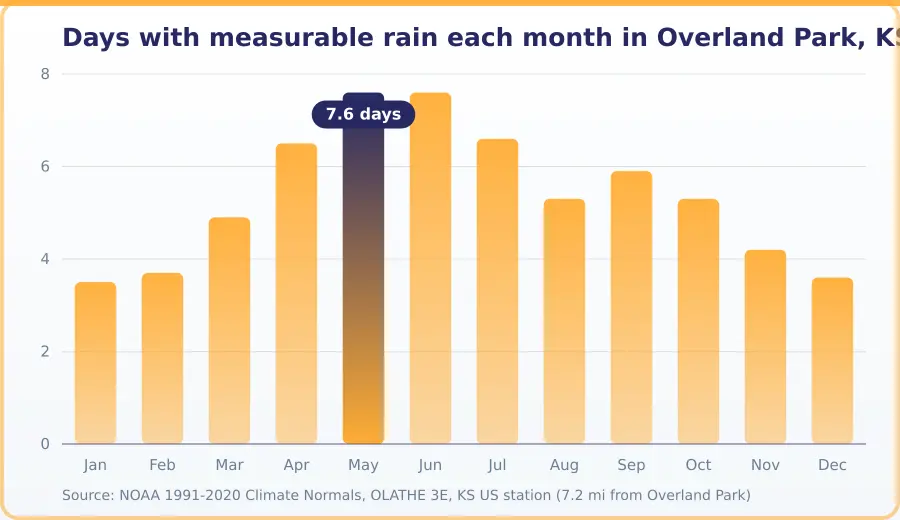
| Period | Days with measurable rain by month (days) |
|---|---|
| Jan | 3.5 |
| Feb | 3.7 |
| Mar | 4.9 |
| Apr | 6.5 |
| May | 7.6 |
| Jun | 7.6 |
| Jul | 6.6 |
| Aug | 5.3 |
| Sep | 5.9 |
| Oct | 5.3 |
| Nov | 4.2 |
| Dec | 3.6 |
Source: NOAA 1991-2020 Climate Normals, OLATHE 3E, KS US station (7.2 mi from Overland Park). Retrieved October 27, 2026.
Seasonal Basement Mold Removal Needs in Overland Park
Spring: Thawing and Moisture
Snowmelt and spring rains drive water toward basement foundations as ground saturation increases. Basement mold often becomes visible as moisture seeps through walls and floors. Irby connects you with local removal providers who assess water intrusion points and address active mold growth before warmer months arrive.
Summer: Humidity and Growth
Overland Park's notably muggy summers create ideal conditions for basement mold expansion. Warm, humid air entering cooler basements triggers condensation on surfaces and wood framing. Local providers accessed through Irby identify moisture sources and remove established mold colonies to improve air quality before humidity peaks.
Fall: Preparation and Prevention
Autumn temperature swings between warm days and cool nights increase basement condensation cycles. Mold spores settle and germinate in damp areas as the season progresses. Irby helps property owners connect with local specialists who inspect basements for hidden moisture problems and remediate mold before winter traps moisture indoors.
Winter: Cold Infiltration
Winter's freeze-thaw cycles stress basement foundations, widening cracks and allowing groundwater seepage. Mold thrives in these consistently moist environments year-round, while indoor heating reduces air exchange. Irby's network of local providers offers basement mold removal and moisture control to protect indoor air quality during months when homes remain sealed.
Related Services
Basement Mold Removal FAQs — Overland Park, KS
Basement mold removal begins with a thorough inspection to identify affected surfaces and moisture sources. The independent provider will contain the area, remove contaminated materials, treat surfaces, and address underlying dampness to prevent regrowth. The goal is safe removal while protecting your home's air quality and structural integrity.
Irby Mold Remediation works to connect Overland Park property owners with local independent providers quickly. Response times depend on current demand and provider availability in your area, but we prioritize fast matching so you can address basement mold concerns without unnecessary delay.
Cost depends on the affected area's size, depth of contamination, whether structural materials require replacement, and moisture source complexity. Older Overland Park properties may face higher remediation costs due to increased moisture intrusion risks. The independent provider will assess your basement and provide pricing details.
Clear personal items and stored goods from the affected area to allow the provider full access. Remove or protect valuables, as containment and cleanup generate dust. Expect the workspace to be isolated during removal, and plan for temporary ventilation adjustments. Your provider will give specific pre-work instructions.
Control basement humidity through proper drainage, sump pump maintenance, and dehumidifiers during muggy seasons. Seal foundation cracks, ensure gutters direct water away from the home, and ventilate crawl spaces if present. Address water entry promptly—consistent moisture is the root cause of recurring basement mold growth.
Overland Park's humid continental climate means basements face moisture concerns throughout the year, not just seasonally. The combination of muggy summers and persistent ground moisture makes basements particularly vulnerable to mold growth. Year-round vigilance and prompt removal help protect indoor air quality and prevent structural damage.
Homeowner Safety Toolkit
Verify Your Overland Park, KS Mold Remediation Company
Before you hire anyone, use these independent national resources to confirm credentials, standards, and track record.
IICRC
Publishes the S520 standard for professional mold remediation. Confirm a company's technicians hold real, current IICRC certification before you hire them.
Verify CertificationACAC
An independently accredited certifying body for mold inspectors and consultants — one of the few in this field whose standards are verified by an outside accreditation board, not just self-declared.
Find a Certified InspectorCDC
Covers the health effects of mold exposure and safe cleanup practices, separate from the remediation work itself — useful if anyone in the home has respiratory symptoms.
Mold Health GuideDealing with Basement Mold Removal in Overland Park, KS? Call (913) 946-7744 for 24/7 help.
Call Now — (913) 946-7744Areas We Serve in Overland Park, Kansas
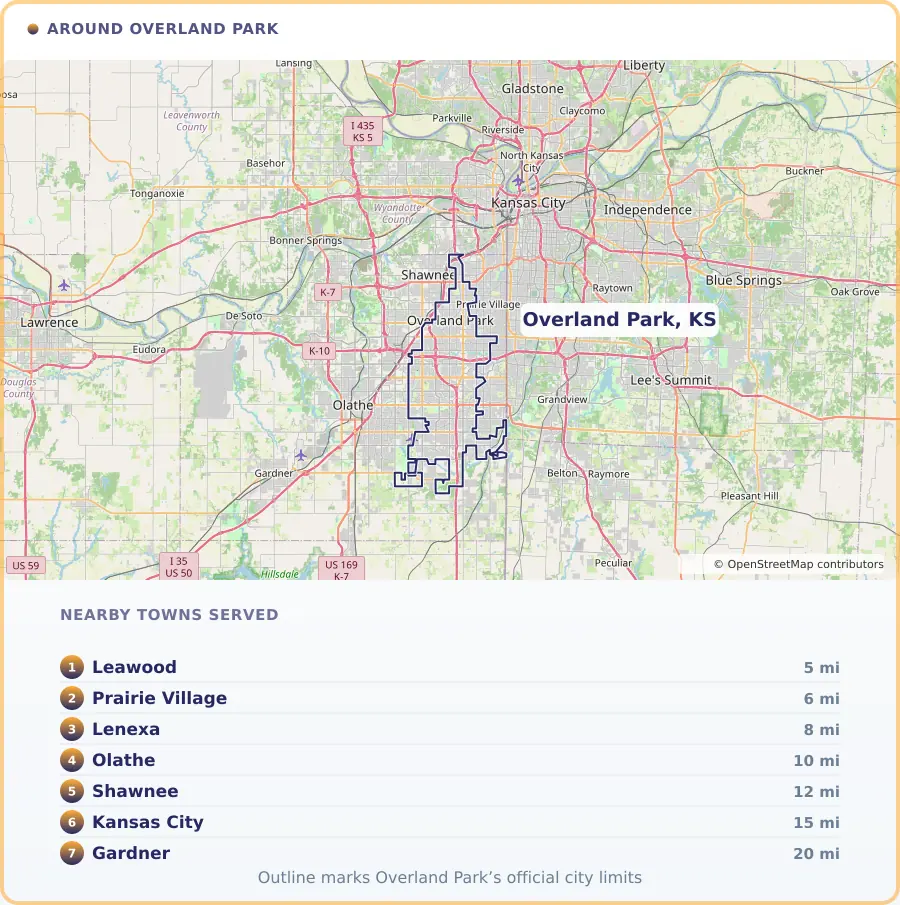
Overland Park, KS is the centre of the service area, which extends to 7 surrounding towns. The map shows how far that reaches.
Overland Park, KS Information
With close to 200,000 residents, Overland Park, KS stands as one of the Kansas City metro's largest and most economically diverse cities. Corporate headquarters in telecommunications, engineering, and financial services give the local economy real weight, with employers like T-Mobile, Black & Veatch, and Waddell & Reed anchoring office hubs such as Corporate Woods. Healthcare and professional services add further stability, supported by institutions like Overland Park Regional Medical Center and Johnson County Community College.
Beyond the office parks, the city has real neighborhood character — from the walkable energy of Downtown Overland Park to the quieter, tree-lined streets of Nall Hills. Retail, dining, and higher education round out daily life, making Overland Park feel both professionally ambitious and genuinely livable.
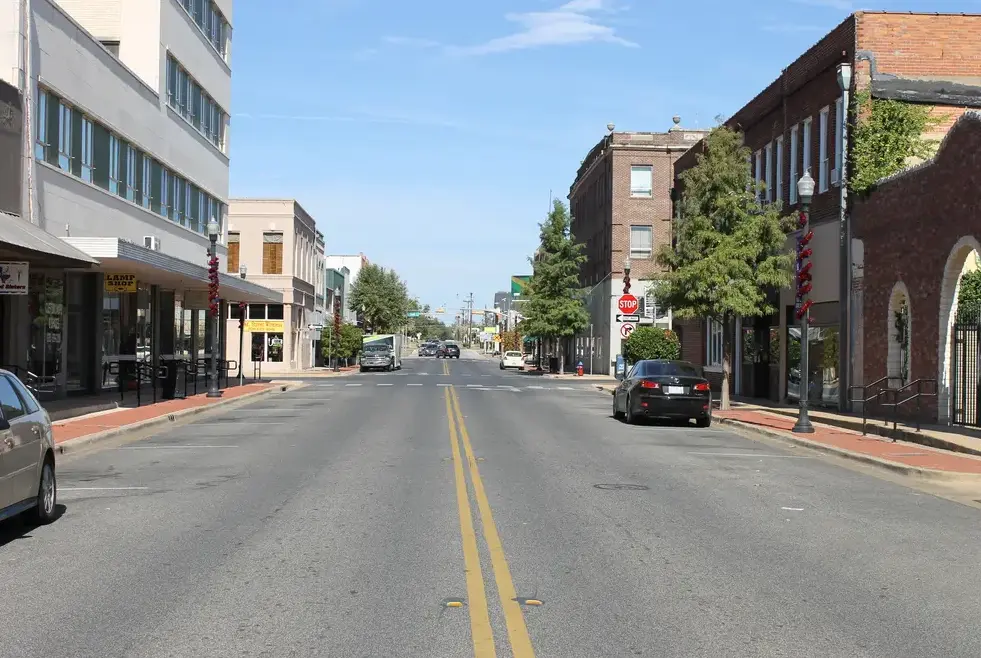
Photo: Billy Hathorn, CC BY-SA 3.0